


rashiku
Frustum 차 포트&녹차잔 (백유)
Frustum 차 포트&녹차잔 (백유)
Supplementary product information
Supplementary product information
Production area: Gifu Prefecture
Dimensions:
・W: 80mm
・D: 80mm
・H: 62mm
・Capacity: 180cc
・Weight: 130g
Material: Porcelain
【Care Instructions】
・Dishwasher: Safe
・Microwave: For warming only
・Direct flame: Not safe
Couldn't load pickup availability
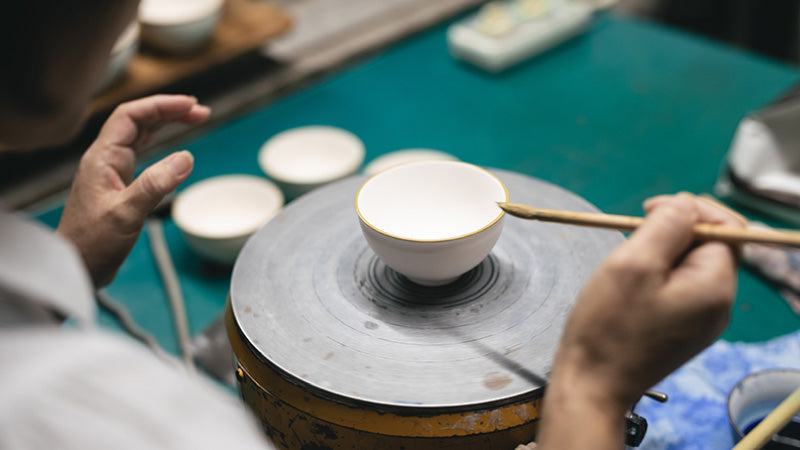
The History of Mino Ware
Mino-yaki is believed to have originated in the Nara period when pottery wheels and tunnel kilns were introduced from the Korean Peninsula along with Sue ware production techniques. During the Heian period, production of ash-glazed ceramics began, and in the Azuchi-Momoyama period, with the popularity of the tea ceremony, Shino, Kizeto, Oribe, and Setoguro were created.
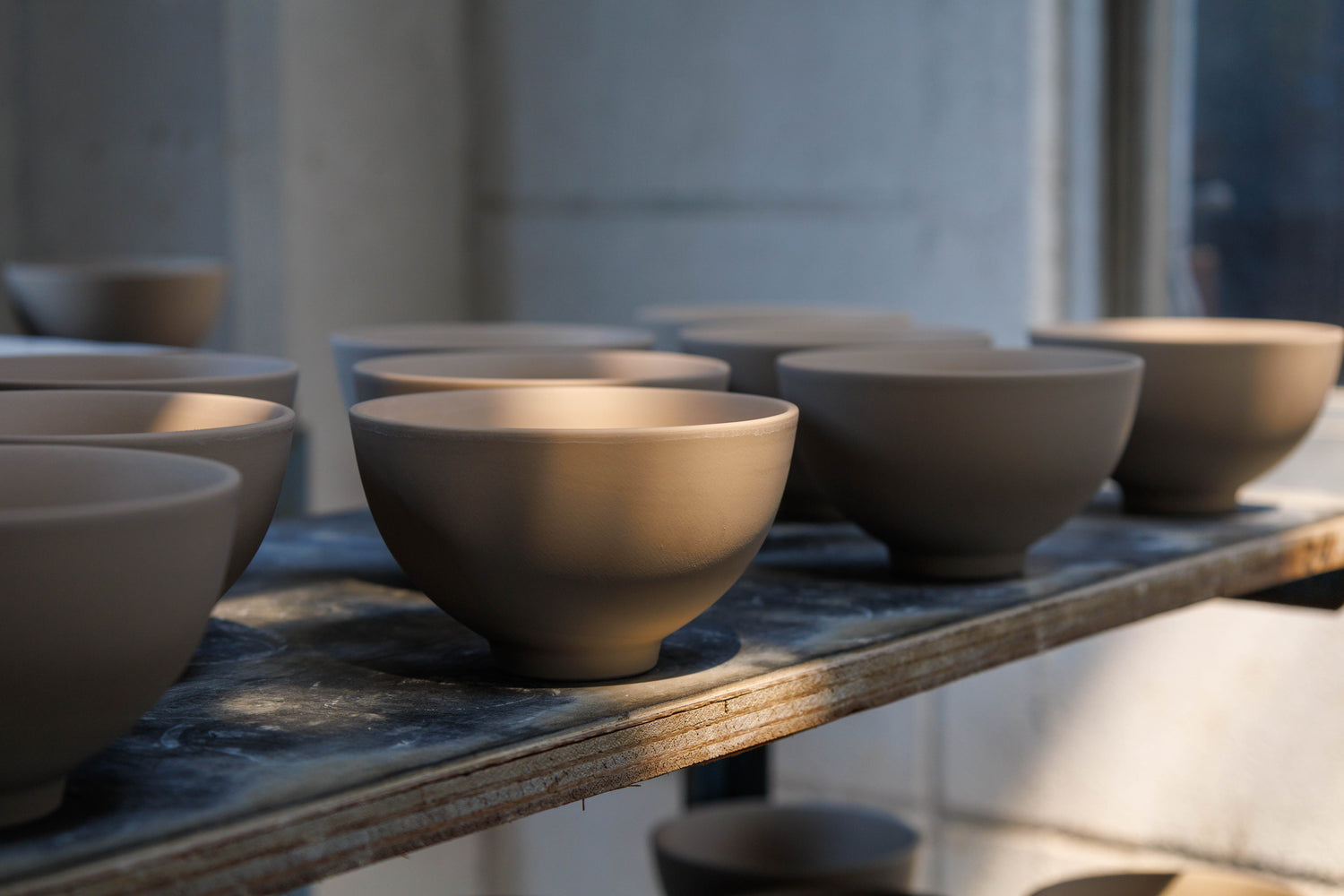
Characteristics of Mino ware
Mino-yaki pottery has given birth to a wide variety of techniques and glazes throughout its history, with 15 types designated as traditional crafts alone. Production of everyday household items began in the Meiji era, and since then, tea utensils and tableware with simple yet beautiful glaze colors and forms have been cherished.

Mountains, soil, water
Toki City in Gifu Prefecture is abundant in clay for ceramics, as hilly terrain accounts for approximately 70% of the area. The clay used for ceramics originally comes from granite. Over time, it weathered and decomposed, was exposed to wind and rain, accumulated, and eventually mixed with organic matter such as soil and fallen leaves to form the clay found in the Tono region. The Toki River (Shonai River) and the abundant water flowing through it gather this clay.

Mino ware
Mino-yaki is a collective term for ceramics produced in the Tono region of Gifu Prefecture, including Toki City, Tajimi City, and Mizunami City. The Tono region is Japan's largest ceramic production center, with Toki City being the top ceramic-producing city in Japan. While 15 varieties including Shino, Oribe, and Kizeto are designated as traditional crafts, the range extends widely to tableware that graces our daily dining tables.